Unpacking the Personality of Colorful Geometric Fonts
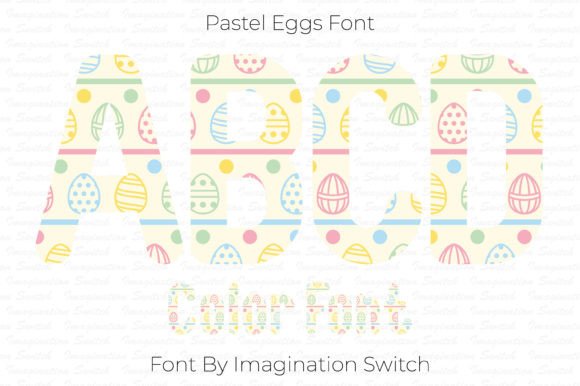
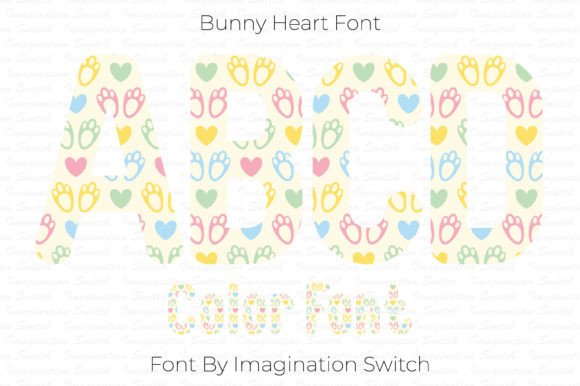
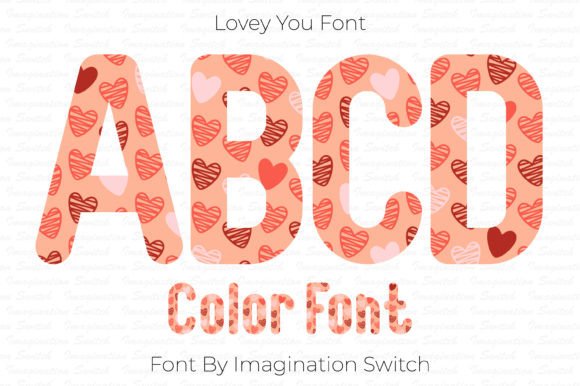
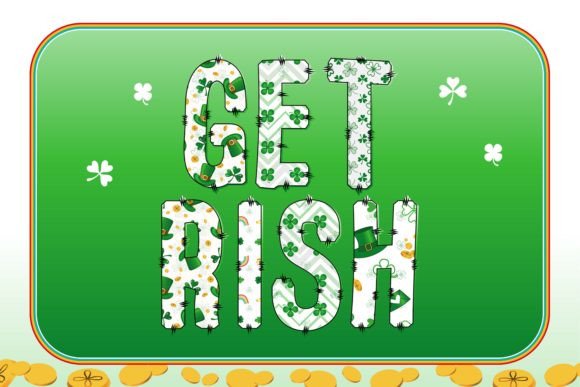
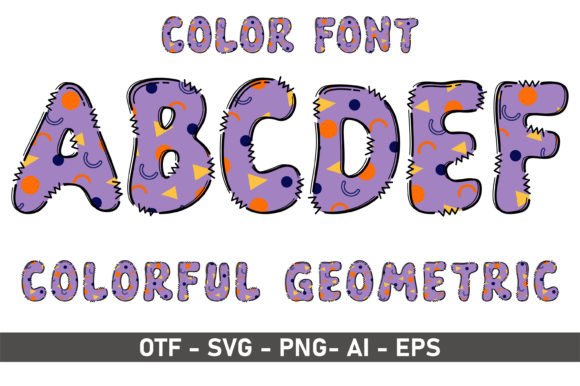
In the crowded world of design, finding a typeface that truly captures a specific mood can be a game-changer. Colorful Geometric is one of those unique display fonts that immediately sets a tone. It’s not just about the letters themselves, but the energy they bring to a project. This typeface is built on clean, geometric foundations but infused with a vibrant, often playful personality. Think of it as the friendly, creative cousin of more traditional sans serif fonts. Its appeal lies in its ability to feel both modern and approachable, making it a powerful tool for designers looking to inject a sense of fun, artistry, and approachability into their work. It’s a creative font that doesn’t take itself too seriously, which is often exactly what a project needs.
Where This Font Truly Shines: Practical Applications
Understanding a font’s personality is one thing; knowing where to deploy it is another. Colorful Geometric excels in contexts where you want to grab attention and convey a positive, engaging vibe. It’s a natural fit for children’s books, where its whimsical shapes and easy readability create an inviting experience for young readers. The letters themselves can become part of the story, adding visual interest to every page. Beyond the bookshelf, this font is a fantastic choice for invitations and greeting cards. Whether it’s a birthday party, a baby shower, or a festive celebration, its style sets a joyful mood from the very first glance. The same principle applies to posters and event flyers, where a bold, colorful header using this typeface can stop someone in their tracks.
For entrepreneurs and small business owners, particularly those in creative industries, this font can be a cornerstone of a memorable brand identity. Imagine it used for a bakery’s logo, a craft workshop’s signage, or the branding for a line of children’s apparel. It communicates creativity and a customer-friendly attitude. In the digital realm, it’s excellent for social media graphics, helping posts stand out in a fast-scrolling feed. It can also be used strategically on websites for headlines or call-to-action buttons, adding a burst of personality to an otherwise standard layout. For packaging design, especially for products targeting families or a creative audience, it helps create shelf appeal that feels fresh and contemporary. However, it’s crucial to remember its nature as a display font. It’s designed for impact in short bursts—headlines, logos, titles—not for long paragraphs of body text.
Making It Work: Pairing, Readability, and Licensing
Integrating a distinctive font like Colorful Geometric into a cohesive design requires a bit of strategy. The most important step is font pairing. Because it has such a strong personality, it needs a more neutral partner to create balance and ensure readability. Pair it with a simple, clean sans serif font or a classic serif font for body text. This contrast allows the colorful geometric font to be the star of the show without overwhelming the viewer. Avoid pairing it with another highly stylized script font or handwritten font, as this can create visual chaos and dilute the message.
Before committing, always test the font in the context of your specific project. Check how the letterforms interact, especially in longer words. Look at the spacing (kerning) and ensure it feels comfortable to read at the size you intend to use it. A great practice is to create a mockup of your logo, poster, or social media graphic to see the full effect. Also, take time to explore all the included styles and glyphs. Many premium fonts like this come with alternates, ligatures, or stylistic sets that can add even more unique flair to your designs.
Finally, pay close attention to licensing. This is a critical, often overlooked step. The provided information highlights a key distinction: the black version is compatible with cutting machines like Cricut Design Space, making it ideal for crafters and hobbyists creating vinyl decals, iron-ons, and paper crafts. However, the color version of the font has specific software compatibility. It works in professional design programs such as PhotoShop, Illustrator, Silhouette Studio, and Inkscape, but the OTF/TTF files for the color version are not compatible with Cricut. This is a vital detail for anyone planning to use it for physical crafting projects. Always verify the license covers your intended use, whether for personal projects or commercial applications like selling products you’ve designed with the font. Consulting a comprehensive font guide can provide clarity on these technical and licensing nuances, ensuring you use your design assets correctly and effectively.