The Cozy Appeal of Knitted: A Designer's Guide
There's a certain warmth that some designs just seem to radiate. It's not always about the color palette or the imagery; sometimes, it's the typography. Fonts with a tactile, handmade quality can instantly create a sense of comfort, nostalgia, and approachability. This is where a typeface like Knitted comes in. It's not just a font; it's a texture, a feeling, a visual nod to the cozy and the crafted. For designers, marketers, and creators looking to inject personality and a human touch into their work, understanding this style of creative font is a valuable skill.
What Exactly is the Knitted Font?
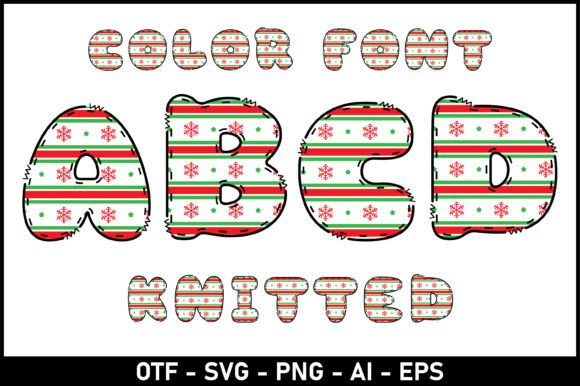
At its core, Knitted is a display font designed to mimic the look of yarn or thread stitched into fabric. Each letterform is constructed to resemble interlocking loops, giving the text a distinct, three-dimensional, and textile-like appearance. Its personality is inherently playful, artistic, and friendly. This isn't a font for body text in a legal document; it's a headline-grabber, a logo-maker, a tool for creating a specific mood. Its overall appeal lies in its ability to communicate warmth, care, and a handmade ethos without saying a word. It’s a perfect example of how modern typography can move beyond simple letterforms to embody a specific concept or texture.
Finding the Perfect Project for Knitted
The true test of any premium font is its application. Where does a textured, tactile typeface like this shine? The applications are surprisingly diverse, spanning both digital and physical realms. Think about projects where a human touch is the primary goal. This makes it an excellent choice for children’s books, where its whimsical and easy-to-read character can captivate young audiences. It’s equally at home on greeting cards, invitations, and posters for community events or craft fairs.
Beyond personal projects, Knitted has a strong place in commercial design. For brand identity, it can be a game-changer for businesses that want to project an image of artisanal quality, sustainability, or family-friendliness. Imagine it used for a local bakery’s logo, a children’s clothing brand, or a handmade soap company’s packaging design. In the digital space, it brings life to social media graphics, blog headers for lifestyle or craft bloggers, and even specific elements in web design where a touch of personality is needed. For crafters using cutting machines, the black version of Knitted is a practical design asset, compatible with Cricut Design Space for creating decals, apparel, and home decor.
Using Knitted with Intention: A Practical Guide
Simply liking a font isn't enough; using it effectively is key. The textured nature of Knitted means it demands careful consideration. Its strength is in display sizes—think large headlines, logos, and featured quotes. Using it for long paragraphs would quickly become illegible and visually overwhelming. A core principle of good editorial design and branding is a clear visual hierarchy. Knitted is perfect for establishing the top of that hierarchy, setting the tone and drawing the eye. Pair it with a clean, simple serif font or sans serif font for body copy to create a balanced and professional look. This contrast ensures readability while allowing the Knitted typeface’s unique personality to stand out without causing visual clutter.
When evaluating if it’s the right fit, always test it with your actual project text. How do the specific letters in your brand name or headline look? Does the texture read well at the intended size? Review the included styles; many premium fonts come with alternate characters or weights that can add versatility. Finally, for any commercial use, licensing is non-negotiable. Ensure you understand the terms. The color version of Knitted, for instance, has specific software compatibility—it works in programs like Photoshop and Illustrator but not in all cutting machine software. Checking the font’s documentation, like an Ultimate Font Guide, is a practical step that saves headaches later. By treating Knitted as a strategic design asset rather than just a decorative element, you can leverage its full potential to create engaging, memorable, and cohesive designs that truly connect with your audience.