Bringing Whimsy to Your Projects with the Gingerman Font
When a project calls for a dose of personality, the typeface you select becomes your first and most powerful storyteller. Standard, safe fonts can communicate professionalism, but they often lack the spark needed to capture a specific mood. This is where a premium font like Gingerman enters the conversation. It’s a creative font that doesn't just display words; it injects them with a distinct, handcrafted character that feels both playful and artistic. Understanding its strengths and limitations is key to using it effectively.
The Personality and Visual Appeal of Gingerman
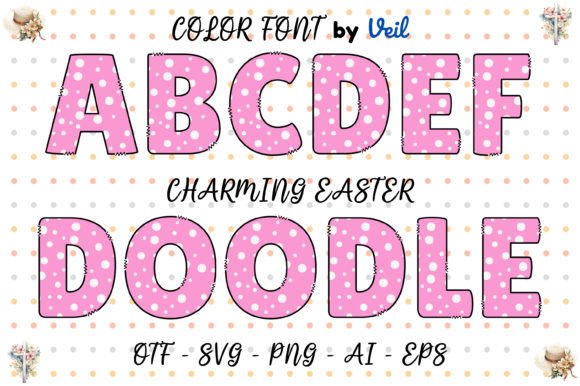
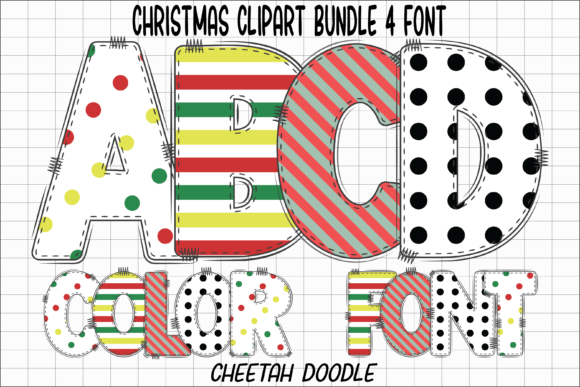
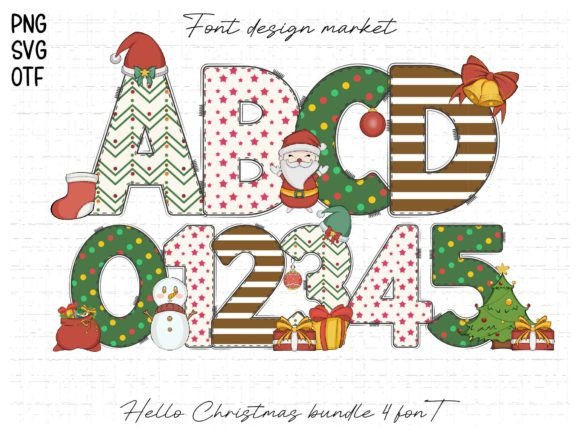
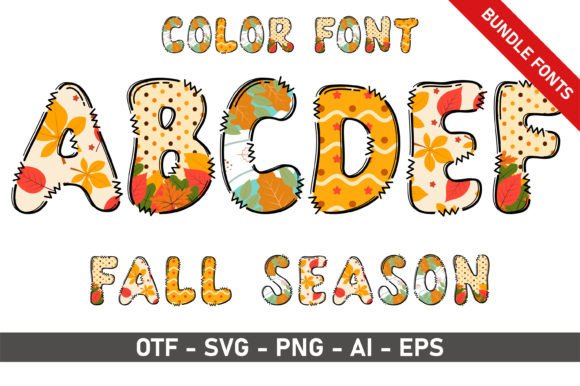
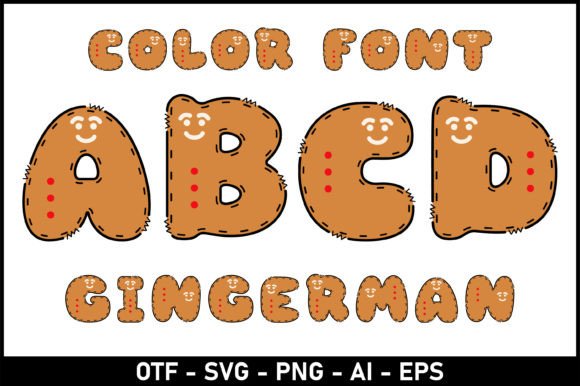
At its core, Gingerman is a display font, meaning its primary purpose is to draw attention in headlines, titles, and short bursts of text. Its visual DNA is rooted in a handwritten font style, but with a cleaner, more structured execution than a raw script. The letterforms have a friendly, organic quality, with subtle imperfections that mimic the warmth of hand-lettering. This isn't a sans serif font built for long-form reading, nor is it a traditional serif font for classic elegance. Its personality is decidedly whimsical, approachable, and creative.
The appeal of a typeface like this lies in its ability to set a specific tone instantly. Looking at Gingerman, you might think of storybook illustrations, cozy bakeries, or playful product packaging. It conveys a sense of joy, creativity, and approachability. This makes it a powerful tool for brand identity projects that want to feel human and less corporate. It’s a font that smiles, and that emotional resonance is a valuable asset in design.
Where Gingerman Truly Shines: Real-World Applications
Choosing the right tool for the job is fundamental to good design. Gingerman excels in contexts where its playful nature can be an asset, not a distraction. It’s a fantastic choice for editorial design elements in magazines or blogs, like pull quotes or section headers that need to feel engaging. In packaging design, particularly for artisanal foods, children's products, or handmade goods, it can help a product stand out on the shelf with its unique charm.
For logo design, Gingerman can be ideal for businesses in creative fields—think craft studios, children's clothing brands, or independent cafes. However, legibility at very small sizes must be considered. It’s equally effective for social media graphics, where a bold, expressive headline can stop the scroll. Invitations, greeting cards, and poster designs are other natural fits, allowing the font’s artistic feel to take center stage.
A critical technical note for crafters and makers: the black version of this font is compatible with Cricut Design Space and other cutting machines. This makes it a versatile design asset for creating vinyl decals, custom apparel, and physical crafts. The color version of the font, however, is only compatible with specific web design and graphic design programs like Adobe Photoshop, Illustrator, Silhouette Studio, and Inkscape. The color font files (OTF/TTF) are not compatible with Cricut, so planning your project's technical requirements is essential.
Strategic Considerations for Using a Creative Font
Using a creative font like Gingerman effectively requires more than just liking its look. It involves strategic thinking about readability, hierarchy, and audience perception. Because it's a display font, pairing it with a clean, neutral body font is crucial. A simple sans serif font or a highly readable serif font for paragraphs will create a balanced font pairing, ensuring your message remains clear while your headlines pop.
Consider the context of your brand identity. If your brand voice is authoritative and minimalist, Gingerman might clash. But if your brand is built on creativity, warmth, and a personal touch, it could be a perfect match. Test it in mockups for your specific applications—see how it looks on a website header, a business card, or a product label. Does it maintain its charm? Is it still legible at the intended size?
Finally, always review the licensing of any commercial font. Understand what projects it covers, especially if you're creating work for clients or for sale. By thoughtfully integrating a modern typography choice like Gingerman, you can elevate a project from generic to memorable, fostering better audience engagement and creating a distinct visual voice that truly resonates.